They Burned It Down and Built Something Better: The Streamer Pivot Stories Nobody Saw Coming
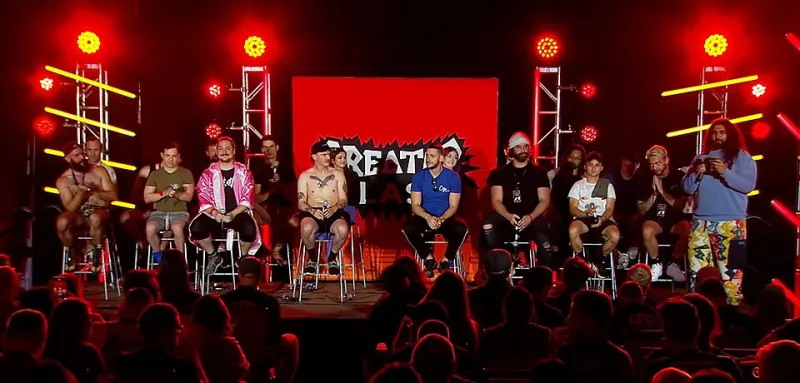
Photo: Esfand, CC BY 3.0, via Wikimedia Commons
There's a moment a lot of streamers know but rarely talk about out loud. You're three months in, maybe six, maybe two years deep — and something just isn't clicking. The numbers aren't growing. The energy feels forced. You're grinding through content you used to love but now kind of dread. And somewhere in the back of your head, a terrifying thought starts forming: What if I'm doing the wrong thing entirely?
For most creators, that thought gets buried fast. You've built a brand. You've got regulars. You've told everyone — your followers, your Discord, your mom — that you're a cooking streamer or a speedrunner or a lo-fi study stream. Pivoting feels like quitting.
Except it isn't. And for a growing number of creators, blowing up their original concept was the best financial decision they ever made.
The Pivot Nobody Asked For (But Everyone Needed)
Take the story of Marcus, a former competitive FPS streamer from Atlanta who spent 18 months grinding ranked matches on a game that was slowly hemorrhaging its player base. He'd built a modest following — around 800 regular viewers — but monetization was flat. Subscriptions barely covered his equipment costs. Then one night, out of pure frustration, he switched over to a home renovation project he was working on and just... started talking through it on stream.
His chat went wild. Not because it was polished. Because it wasn't.
Within six weeks of leaning into "budget DIY with bad tools and worse luck," his subscriber count had tripled. Sponsors from tool brands and home improvement retailers came knocking. He was making more in a month than he'd made in the previous year of FPS content combined.
Marcus didn't plan any of it. The pivot found him.
What Actually Triggers a Niche Switch
Creators who've successfully pivoted tend to point to one of three catalysts:
1. The content stops feeling real. When you're performing enthusiasm you don't actually feel, audiences pick up on it — sometimes before you do. Chat gets quieter. Engagement drops. The vibe shifts. Several streamers described hitting a wall where they felt like they were cosplaying as a version of themselves they'd outgrown.
2. Something random blows up. A throwaway stream, an off-topic rant, a random "let me show you something" moment unexpectedly pulls 10x the engagement of your regular content. That's not an accident — that's your audience telling you something.
3. Life changes the content for you. A health issue, a move, a new job, a baby — real life pivots have a funny way of forcing content pivots. One of the more interesting examples circulating in creator communities involves a former speedrunning streamer who started documenting her experience learning to cook after a medical diagnosis changed her diet. She now runs one of the more engaged nutrition and recipe streams in her corner of the platform, with a Patreon that dwarfs what she made in gaming.
The Audience Reaction Problem (And Why It's Not as Bad as You Think)
Here's what scares most creators about pivoting: losing the audience they already have. And look, it's a legitimate concern. When you shift niches, some of your existing followers will bounce. That's just real.
But here's what the data — and the lived experience of streamers who've been through it — actually shows: the followers who stay are dramatically more engaged than the average viewer you'd accumulated in your old niche. You're essentially filtering for people who are there for you, not just the content category.
Jordan, a former tabletop RPG streamer from Columbus who pivoted into personal finance content for young adults, lost about 40% of his audience in the first month of switching. He was devastated. Then he noticed that his remaining viewers were tipping more, subscribing at higher rates, and showing up to every single stream. Six months later, his revenue had grown by over 200% on a smaller but far more committed base.
"The people who left weren't my people," he said in a community post that made the rounds last year. "I just didn't know that until I gave them a reason to leave."
How to Know If a Pivot Makes Sense for You
Not every slump is a sign you need to blow up your brand. Sometimes you just need a better thumbnail strategy or a different streaming time. But if you're sitting with that nagging feeling and wondering whether a bigger shift might be worth it, here's a loose framework for thinking it through:
Look at your off-topic moments. Go back through your VODs and find the clips where chat was most alive. Were those moments actually on-brand, or were they tangents? If your most-clipped moments are you going off-script, that's a signal.
Run a low-stakes experiment. Before you announce anything, try one or two streams in the new direction without making it a big deal. Just do it. See what happens. You don't owe your audience a press release for trying something different.
Ask what you'd stream if nobody was watching. It's a cliché, but it works. The answer to that question is usually closer to a sustainable long-term content strategy than whatever you think the algorithm wants from you.
Calculate your actual cost. What's the realistic worst case? You lose some followers who weren't monetizing anyway. You feel awkward for a few streams. That's survivable. The cost of staying stuck in content that's slowly draining you is usually higher.
Burning It Down Isn't Failure — It's Strategy
The streaming world has a complicated relationship with the idea of consistency. There's a ton of advice out there about staying in your lane, niching down, building a recognizable brand identity. And that advice isn't wrong, exactly — it's just incomplete.
Consistency matters. But consistency in the wrong direction is just a slow bleed.
The creators who've made the most dramatic pivots and come out ahead tend to share one trait: they stopped trying to protect the brand they'd built and started building toward the brand they actually wanted. That's a different kind of consistency — one rooted in authenticity rather than category.
LiveCastr exists to help creators build real, sustainable streaming careers. And sometimes the most honest thing we can tell you is this: the content that made you start might not be the content that makes you last. The streamers figuring that out early are the ones writing the more interesting success stories.
Your pivot might not be an accident waiting to happen. It might be a decision waiting to be made.