The People Running Your Chat Are Also Running Up Your Revenue

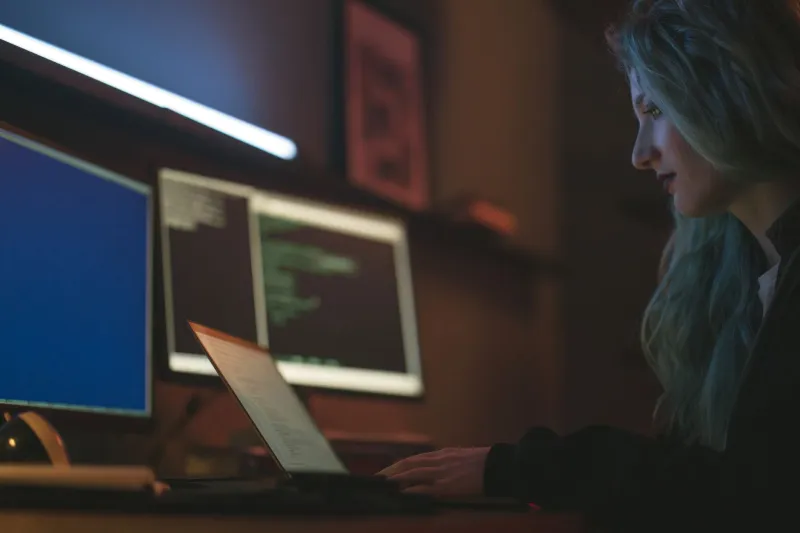
Photo by Photo by Mikhail Seleznev on Unsplash on Unsplash
Ask most streamers what their mod team does, and you'll get some version of the same answer: they ban the bad actors, delete the slurs, and make sure nobody's posting links to sketchy websites. Basic hygiene, basically. Necessary, sure — but not exactly a growth strategy.
Except that framing is costing streamers real money.
A growing number of full-time creators are quietly crediting their moderation squads with something way bigger than chat cleanliness. We're talking about higher sub rates, more consistent donation activity, and viewer retention numbers that blow past channels of similar size. The mod team, it turns out, isn't just keeping the lights on. In the right hands, they're one of the most powerful revenue levers a streamer has.
Why Safe Chats Spend More
Here's the psychology at play: people open their wallets when they feel like they belong somewhere. That sounds soft, but the behavioral economics behind it are pretty well-established. When a viewer feels safe — when they know they won't get dogpiled for asking a question, when toxic comments get handled fast, when the vibe stays consistent — they stop being passive spectators and start acting like community members.
And community members subscribe. They donate. They come back tomorrow.
The inverse is just as true. A chaotic chat drives lurkers into permanent lurk mode. New viewers bounce before they ever get a chance to emotionally invest. Regulars get worn down and eventually drift away. All of that kills the kind of sustained engagement that translates into income.
Jordan "Frostline" Aldrich, who streams strategy games to about 14,000 followers, noticed the shift almost immediately after building out a structured mod team eighteen months ago. "Before, I had one mod who was basically my IRL friend just doing me a favor," he said. "After I recruited five people who actually cared about the community, my average sub count went up by almost 40% over three months. I don't think that's a coincidence."
What Good Mods Actually Do (Beyond the Ban Hammer)
The streamers seeing the biggest impact from their mod teams aren't just using them as enforcers. They're using them as active participants — people who shape the energy of the stream in real time.
Specific tactics that keep coming up in conversations with successful creators:
Hype amplification. When a viewer sends a big donation or hits a sub milestone, mods are trained to respond in chat before the streamer even has a chance to acknowledge it. That creates a pile-on effect — other viewers react, the moment gets bigger, and the donor feels celebrated by the whole community, not just the person on screen.
New viewer onboarding. A good mod team watches for first-time chatters and welcomes them by name. That single gesture dramatically increases the likelihood that a new viewer sticks around long enough to convert into a subscriber. It's the streaming equivalent of a good host making you feel at home at a party.
Tone management during slow moments. Every stream has dead air. The game crashes, the streamer loses focus, something technical goes sideways. Mods who know how to keep chat active and positive during those moments prevent the kind of audience bleed that quietly tanks revenue over time.
Clip flagging. Some streamers have mods specifically tasked with identifying highlight-worthy moments and clipping them in real time for social distribution. That's a content pipeline running parallel to the stream itself, and it feeds discoverability without the streamer lifting a finger.
Recruiting and Training People Who Actually Get It
So where do the best mods come from? Almost universally, the answer is: your existing community.
Mia "Crestfall" Okafor, who streams variety content to 22,000 followers and has been full-time for two years, is adamant about this. "I never recruited from outside. Every single one of my mods was a regular viewer first. They already understood the culture of the channel before they ever had any power in it."
Her onboarding process is more formal than most people expect. New mods get a written guide — she calls it the "Channel Bible" — that covers tone expectations, how to handle common situations, and what kinds of content get automatic bans versus warnings. They shadow experienced mods for their first two weeks before acting independently.
"It sounds like a lot for something people do for free," she acknowledged, "but the mods who go through that process stay. And the channel reflects it."
That word — free — opens up a genuinely complicated conversation in the streaming world.
The Compensation Question
Most mods volunteer their time. That's the industry norm, and it works for a lot of channels, especially smaller ones where the role comes with real social status and genuine community belonging. But as channels scale, the expectation of free labor gets harder to justify.
Some streamers are starting to compensate mods in ways that don't always involve direct payment. Channel subscriptions gifted monthly. Exclusive Discord access. Merchandise. Revenue share arrangements for mods who take on specific content or admin responsibilities. A handful of larger creators are moving toward actual part-time pay structures.
Jordan is transparent about where he landed: "My lead mod gets a cut of my sub revenue every month. It's not huge, but it's real money. And honestly, knowing they have skin in the game changes how they show up. We're aligned."
There's no universal right answer here, but the creators who treat their mod teams as genuine collaborators — rather than free labor they're doing a favor by letting participate — tend to build more stable, higher-performing communities.
Building the Team Before You Think You Need One
The biggest mistake new streamers make is waiting too long. Moderation feels unnecessary when your chat is moving at ten messages a minute. But the habits and culture you set when the channel is small are the ones that stick as it grows.
A toxic pattern that gets ignored at 200 viewers becomes a structural problem at 2,000. A community that never developed strong norms never develops the trust that drives real spending.
Start with one or two people you genuinely trust — viewers who've been around, who understand what you're building, who care about the space. Give them real guidance, not just permissions. Check in with them regularly. Treat the relationship like it matters, because if you're serious about building something sustainable on LiveCastr, it does.
The stream is what people show up for. But the community — the feeling that this place is worth being part of — is what makes them stay. And the people quietly shaping that feeling from inside the chat window? They're not just volunteers.
They're your team.